
Gentle Skincare Reset for Sensitive Menopause Skin
This post features Regelica skincare. The post contains affiliate links. As an Amazon associate, I earn from qualifying purchases.
You may be doing everything you used to do for your skin, and yet it now stings, tightens, or flushes in ways it never did before. A cleanser that felt lovely last year suddenly feels harsh. A serum you trusted now leaves your face warm and unsettled.
This is not because you failed your skin. It is because menopause changes what your skin needs, and a gentle skincare reset can give sensitive menopause skin the calm it is asking for.
In this post, I will walk you through what to pause, what to keep, and how to bring your favorites back one at a time. I will also share a simple routine built with Regelica products.
Quick answer: When menopause skin suddenly feels tight, dry, or reactive, doing less often helps most. A gentle skincare reset pauses exfoliating acids and strong actives, rebuilds the skin barrier with a simple cleanse, hydrate, and seal barrier-first routine, and then brings actives back one at a time. Your skin stays in each phase until it feels ready.
Why Menopause Skin Becomes So Sensitive
Estrogen helps your skin hold on to moisture. When it declines, your skin barrier, the outer layer that keeps water in and irritants out, can lose some of that strength.
A 2025 study in Skin Research and Technology measured skin hydration in 81 women. Postmenopausal participants had lower skin hydration than the reproductive-age group in the ovulatory phase of their cycle. They also reported more itching.
Postmenopausal participants showed “significantly higher values of the subjective feeling of skin itchiness.”
Cvjetković Nikoletić et al., Skin Research and Technology, 2025
A 2025 review in the Journal of Cosmetic Dermatology describes the wider picture. Menopause brings changes in hydration, elasticity, and pigmentation.
Winter adds to it. Cold air and indoor heat pull moisture from the skin, so a barrier that is already tired has even less to work with. The American Academy of Dermatology advises warm water instead of hot, gentle fragrance-free products, and heavier creams when it is cold.
What I see again and again as an esthetician is this. When a stressed barrier meets a full shelf of products, more layers rarely help. Your skin usually needs fewer steps, done gently.
When My Own Skin Needed a Gentle Skincare Reset
When my own skin “has its moments,” I thank it for letting me know about its discomfort and begin my step-by-step calming routine. Instead of getting upset, I am really happy I get the signals from the skin to rethink my skin care routine and skincare products. Not stressing about the situation allows me to thrive and keep my stress hormones at bay.
This is where my work with the Skin Integrity Framework begins. It is built on five petals, and a resilient barrier comes first. So the reset starts there too.
Your Gentle Skincare Reset in Three Phases
A gentle skincare reset is a short, structured pause. It is not a punishment, and it is not a sign that you did anything wrong.
There is no set number of days. Your skin leads. Each phase lasts until your skin feels wholesome and ready for the next step.
Phase One: Pause
Set aside anything that stings, tingles, or leaves your skin tight. That usually means exfoliating acids, scrubs, strong retinoids, and heat or light devices unless your provider has approved them. The AAD advises cutting back on products with alpha or beta hydroxy acids in cold weather because they can irritate.
Keep your routine to a gentle cleanse, a hydrating step, and a cream. You are ready to move on when your skin feels comfortable after cleansing and nothing stings when you apply your products.
Phase Two: Restore
This phase is your barrier-first routine. Cleanse with warm water, never hot, and keep it brief. The AAD suggests limiting baths and showers to five to ten minutes. Then pat your skin so it stays slightly damp, apply your hydrating step, and seal it in with a cream.
Choose products labeled fragrance-free. The AAD notes that unscented products can still contain ingredients that mask odor, and those may irritate dry, sensitive skin.
Stay in this phase until your skin feels soft, calm, and comfortable from morning to night.
Phase Three: Reintroduce
Bring back one active at a time, and give each one room to show you how your skin responds. If something stings, stop and return to Phase Two. There is no failure in that. It is simply your skin telling you it needs more time.
When you are ready for acids again, I explain how to bring them back gently in my post on why acids are great for menopause skin. Vitamin A, such as retinol, belongs in your evening routine only. And if you live with a hormone-sensitive condition, ask your care team before adding any new active.
A Gentle Skincare Reset Routine With Regelica
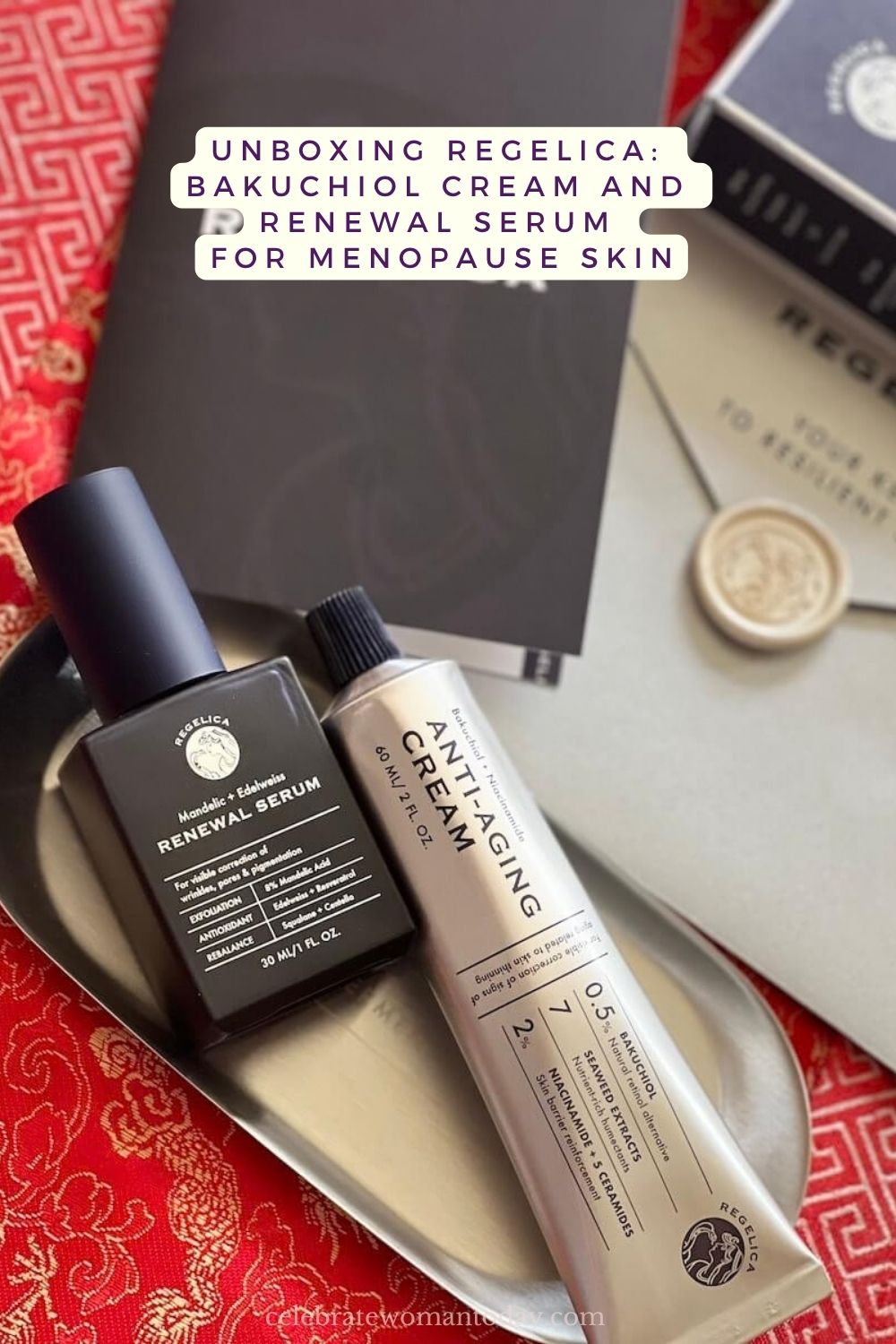
To keep your gentle skincare reset simple, here is a routine built with Regelica products. Each one matches a phase.
Cleanse. The Water Lily pH-Balanced Gentle Cleanser fits your Restore phase. Use it with warm water, then pat your skin dry.
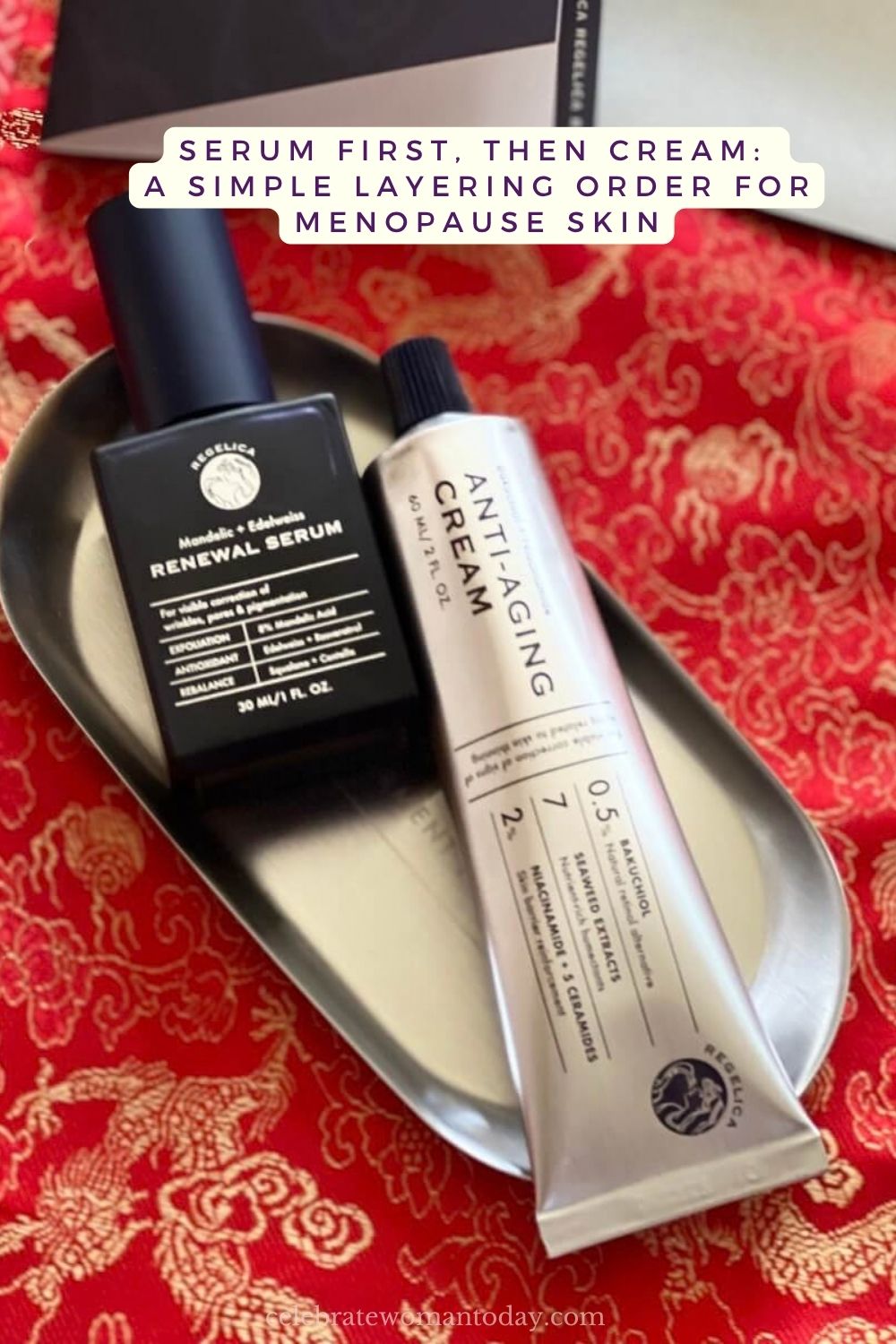
Hydrate. The Microbiome & Vitamin C Glow DNA Essence is your hydrating step. Apply it while your skin is still slightly damp.
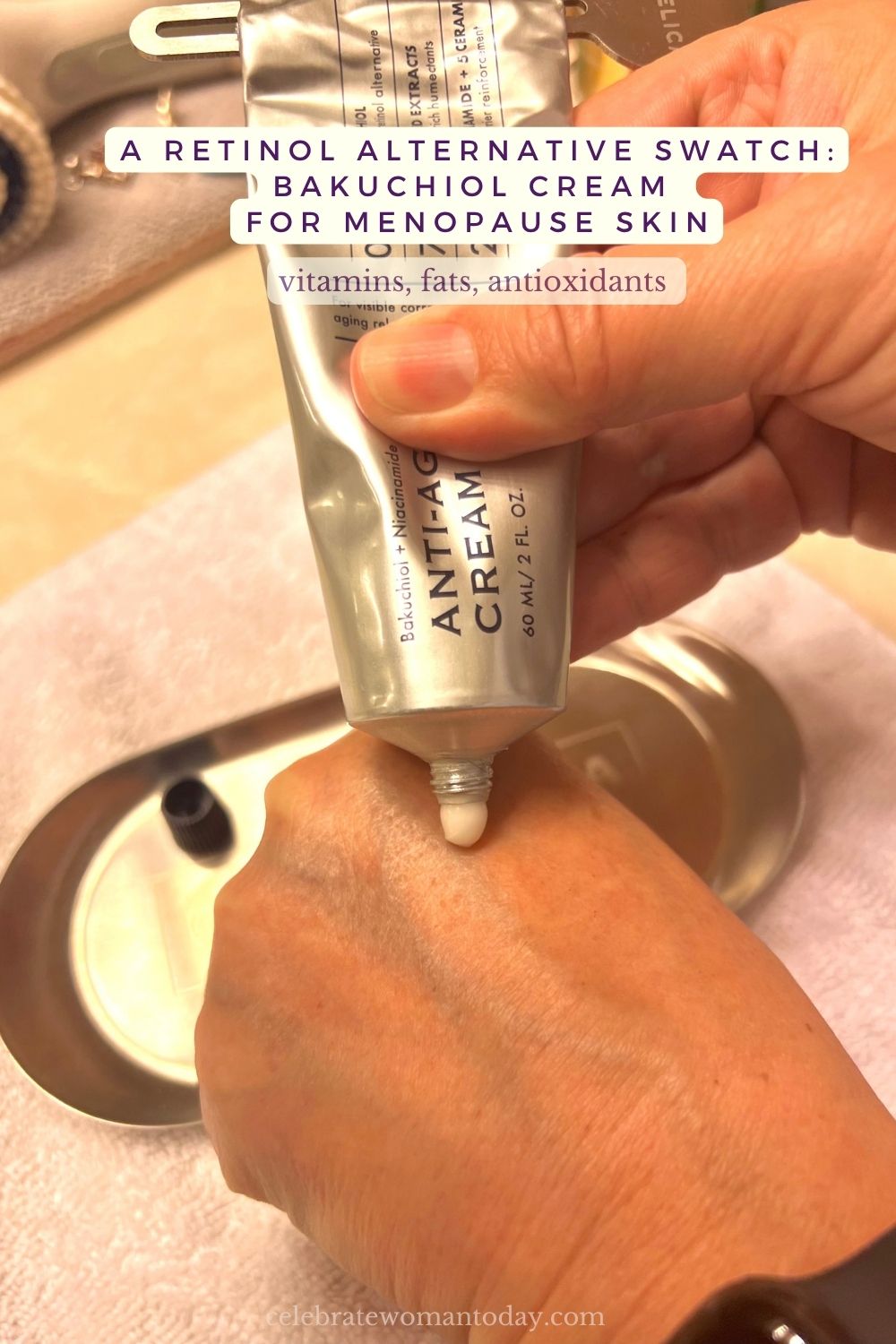
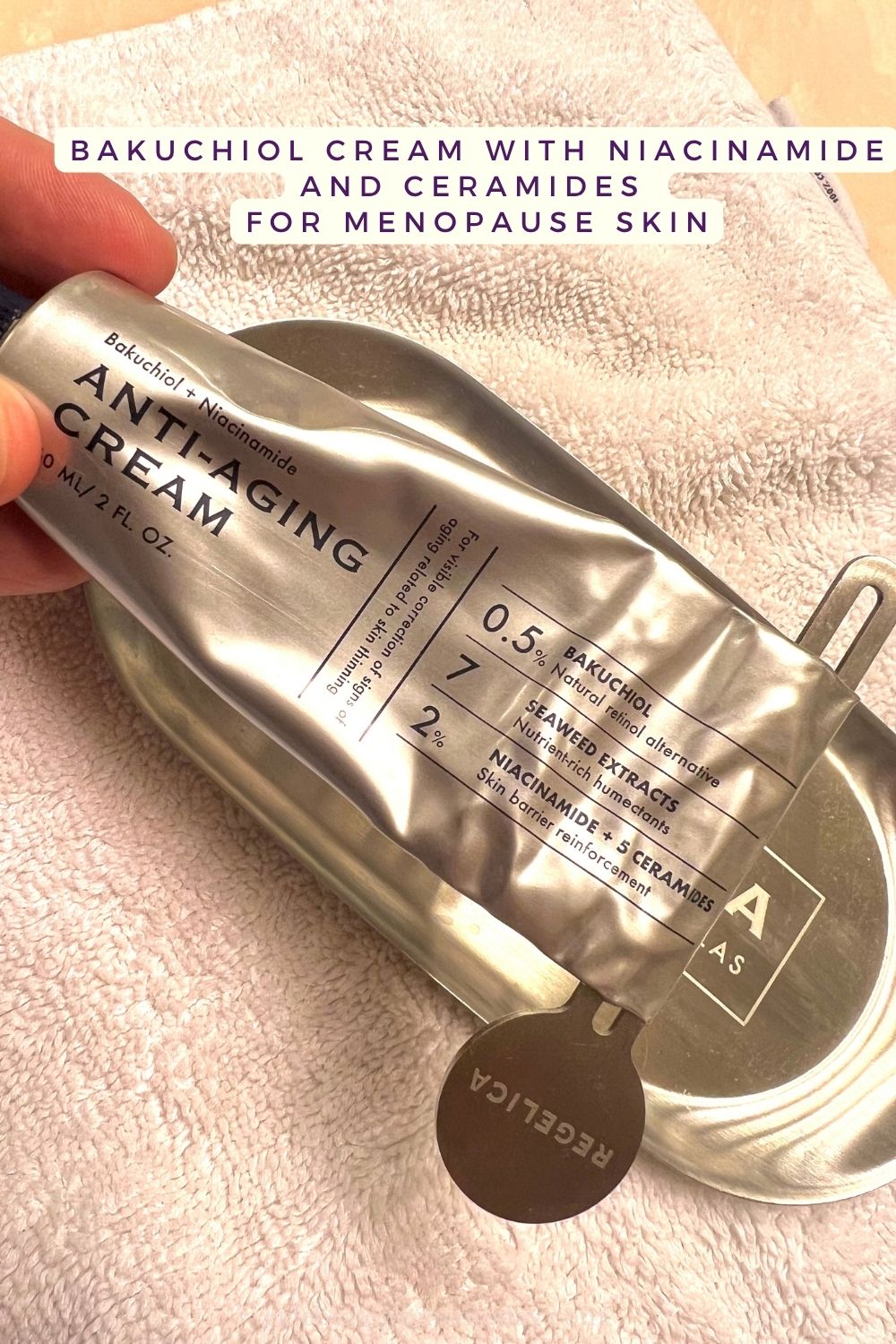
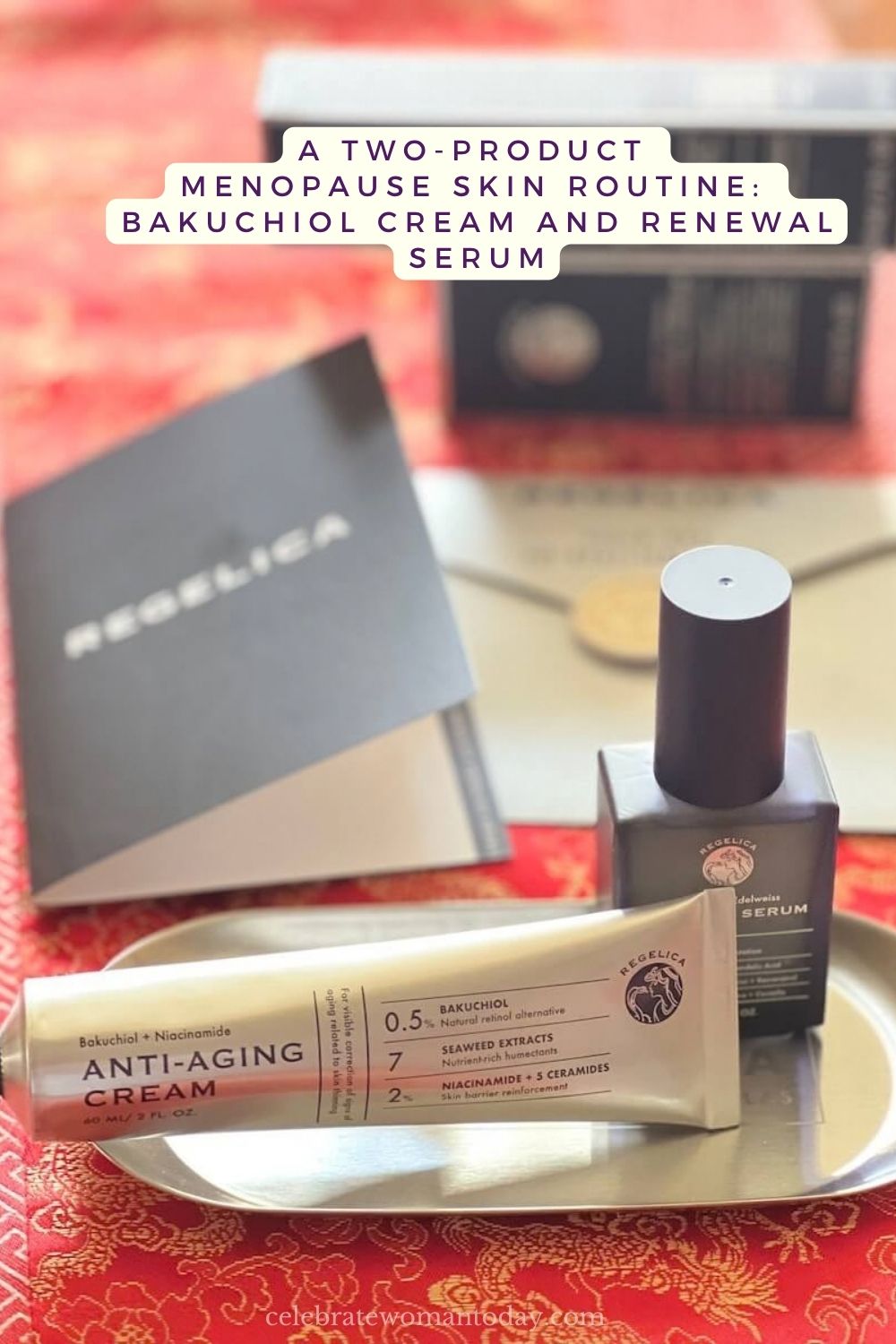
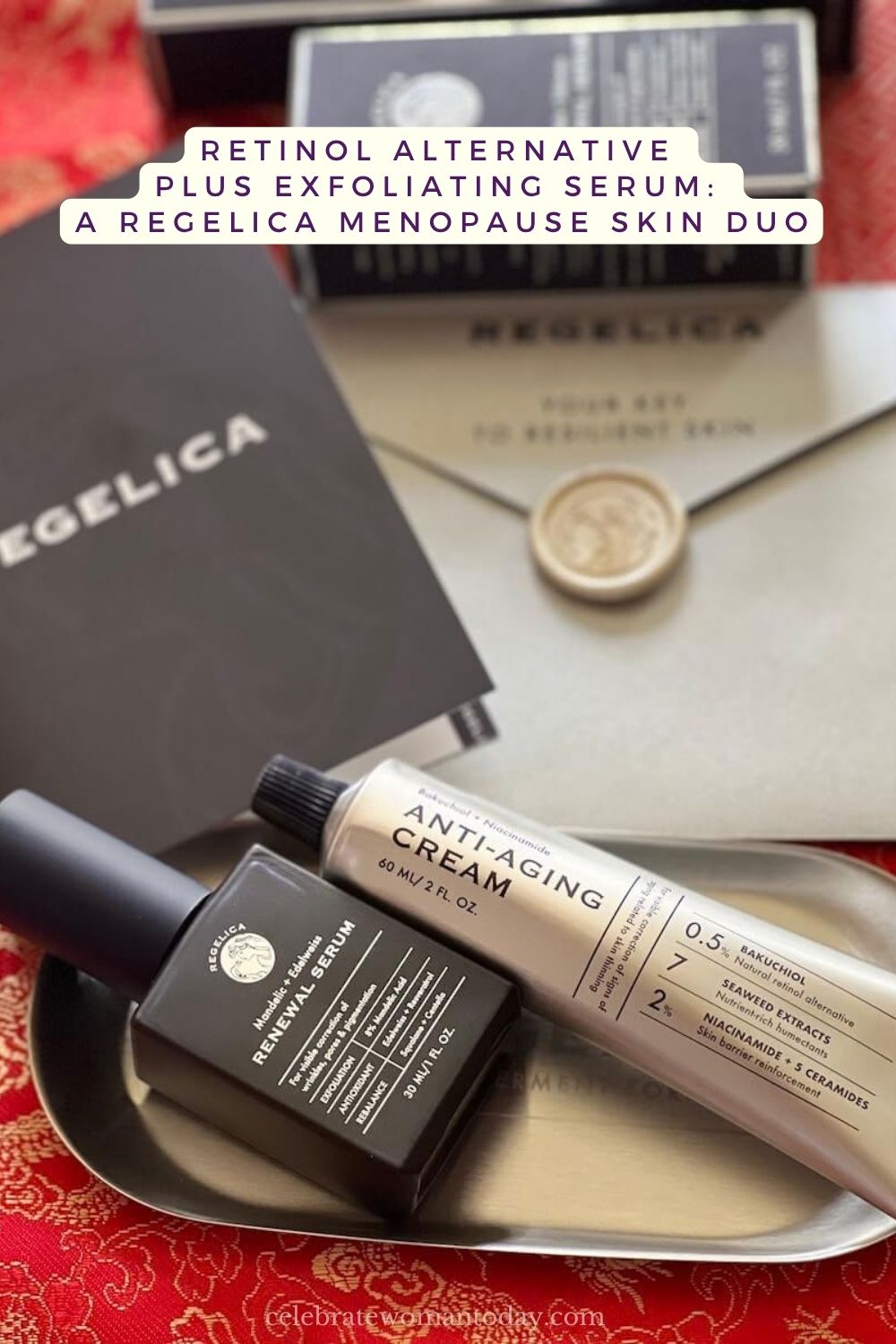
Seal. The Bakuchiol + Niacinamide Anti-Aging Cream is your cream. From here on, I will simply call it the Bakuchiol + Niacinamide cream. If you have a hormone-sensitive condition, check with your care team before you use it.
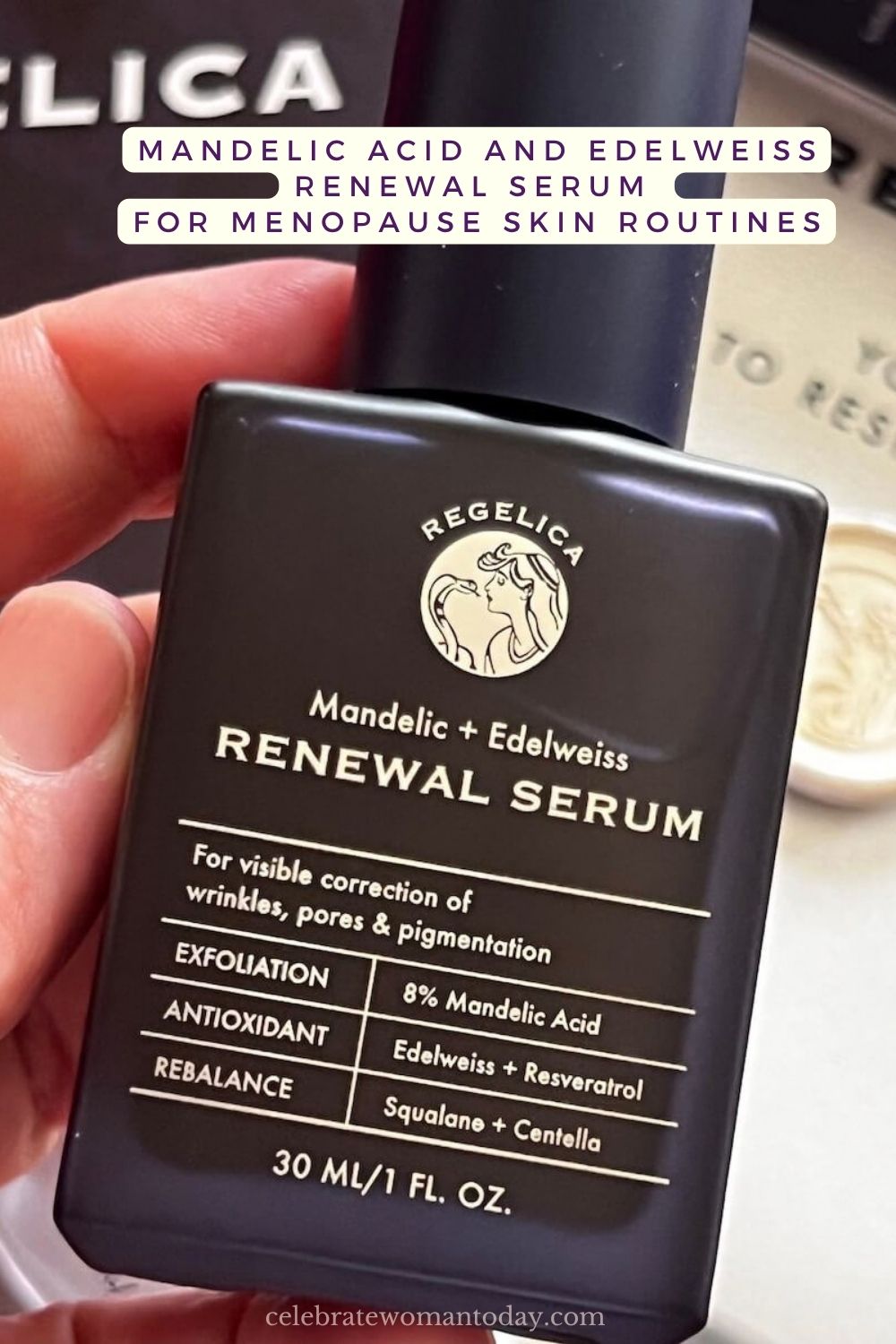
Reintroduce. The Mandelic + Edelweiss Renewal Serum belongs to Phase Three, and only once your skin feels calm. Mandelic acid is an exfoliating acid, so start slowly and watch how your skin responds.
If you would like everything in one place, the Daily Essentials Set is a simple way to begin.
Before you add any product, check the ingredient list for fragrance, and choose what feels right for your skin.
What to Leave Out for Now
While your barrier rebuilds, please leave these out of your gentle skin routine for now:
- Fragrance, including scented soaps and lotions
- Hot water
- Scrubs and strong acids
- Retinoids during the pause
- Heat or light devices, unless your provider has approved them
None of this is forever. It is simply what your skin needs while it finds its balance.
Your October Moment: Book Your Screening Mammogram
October is Breast Cancer Awareness Month, and it is a lovely time to care for your whole self, not only your skin.
For women at average risk, the American Cancer Society says women 40 to 44 can choose to start yearly mammograms. Women 45 to 54 should have one every year. Women 55 and older can switch to every other year or continue yearly.
The ACS also says to know how your breasts normally look and feel, and to report any change to a healthcare provider right away. Your daily skincare is a quiet moment to notice. Please talk with your care team about the schedule that fits your own history.
If your underarm skin is sensitive too, my post on aluminum-free deodorant for menopause may help.
Your Next Gentle Step
A gentle skincare reset is not about doing less forever. It is about giving your skin the quiet it needs, then bringing back only what it welcomes. With care, consistency, and intelligence, your skin can feel at home in your reflection again.
If you would like a guided path for the rest of your skin, my free guide, How to Protect & Repair Skin During Menopause, is waiting for you. Get My Skin Guide
Frequently Asked Questions
Q: Why is my skin suddenly sensitive during menopause?
A: Declining estrogen lowers your skin’s ability to hold moisture, and the barrier can become less protective. A 2025 study in Skin Research and Technology found lower skin hydration and more itching in postmenopausal women. Add winter air and a crowded routine, and sensitivity can appear quickly. It is a change in what your skin needs, not a failure on your part.
Q: Should I stop all my active products if my skin feels irritated?
A: Pause the ones that sting, tingle, or leave your skin tight, especially exfoliating acids and strong retinoids. Keep a gentle cleanse, a hydrating step, and a cream. In my gentle skincare reset, you bring actives back one at a time, so you can tell what your skin welcomes. If irritation stays or worsens, ask your healthcare provider.
Q: Where can I learn more about caring for my skin during menopause?
A: My free guide, How to Protect & Repair Skin During Menopause, is a gentle place to begin. It explains what your changing skin needs and gives you simple steps to support it. For a deeper, guided path, explore Fall In Love With Your Menopause Skin at celebratewomantoday.com.
Q: How do I know when my skin is ready for acids again?
A: Your skin tells you. It feels comfortable after cleansing, nothing stings when you apply products, and tightness no longer shows up by evening. Start with one acid on one evening and watch how your skin feels the next day. If it stays calm, continue. If not, return to the Restore phase. There is no calendar for this, only readiness.
More Questions About Sensitive Menopause Skin
Q: Is it normal for menopause skin to itch in winter?
A: It is common. The 2025 study in Skin Research and Technology found postmenopausal participants reported significantly more skin itchiness, and cold air and indoor heat can add to dryness. The American Academy of Dermatology advises warm water, fragrance-free products, and heavier creams in cold weather. If itching is constant or severe, speak with your healthcare provider.
Q: Can I use retinol and acids together in menopause?
A: Not during a reset. Several strong, and even mild, actives together can overwhelm a sensitive barrier. When your skin feels ready, bring them back one at a time, and keep vitamin A, such as retinol, to your evening routine only. If you are unsure how to build your routine, ask your esthetician or healthcare provider.
Also, read my detailed post when you can use Retinol and Bakuchiol at the same time and why.
Q: What does fragrance-free mean, and why does it matter?
A: Fragrance-free means no fragrance has been added. The American Academy of Dermatology notes that products labeled unscented can still contain ingredients that mask odor, which may irritate dry, sensitive skin. When your skin is reactive, choose fragrance-free and read the ingredient list to confirm.
Q: How often should I get a mammogram in my 40s and 50s?
A: For women at average risk, the American Cancer Society says women 40 to 44 can choose yearly mammograms, women 45 to 54 should have one every year, and women 55 and older can switch to every other year or continue yearly. Your own history matters, so talk with your care team about the right schedule.
Sources
Cvjetković Nikoletić et al. Menopause, menstrual cycle, and skin barrier function. Skin Research and Technology, 2025. View study
Viscomi B., Muniz M., Sattler S. Journal of Cosmetic Dermatology, 2025. View study
American Academy of Dermatology. Cold weather and your skin and Dermatologists’ tips to relieve dry skin
American Cancer Society. Recommendations for the early detection of breast cancer
Written by Larisa Jentzsch, Licensed Esthetician and founder of Celebrate Woman Today. Larisa holds a Master’s in Education (MEd) and an MBA with a thesis centered on Health Promotion, and teaches women 40+ how to understand and support their changing skin.