
The Notes For Your Heart from The Heart Doctor Gioia Turitto
Did you know that heart disease kills more American women than all forms of cancer combined, including breast cancer?
Yep, that’s what this gruesome statistics by the American Heart Association tells us. And a woman’s lifetime risk for developing heart disease is very high – more than 1 in 2. It is horrendous! Plus, as we age our risk for heart disease increases.What can we do to minimize this risk for our personal self and people dear to our hearts around us?
Please note: this information below is not a substitute for medical care. As always, you should consult your doctor or healthcare provider.
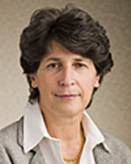
I had a tremendous opportunity to ask my questions to one of the most renowned heart doctors in this country and in the whole world Dr. Gioia Turitto, MD.
Dr. Turitto is Chief of Electrophysiology at New York Methodist Hospital-Cornell Heart Center. As one of the few women practicing invasive cardiology, she is committed to ensuring that women get the cardiovascular (CV) treatment they need and deserve through spearheading physician & community educational events.
Dr. Turitto was born in Rome, Italy and did all her medical training except for EP Fellowship in Italy. EP training was done in the US, in NY and Kansas. She is a member of several organizations, including the American College of Cardiology, Heart Rhythm Society, and American Medical Association. She has published more than 100 peer-reviewed articles and book chapters and has been actively involved in several landmark arrhythmia trials, including SCD-HeFT, a trial of primary prevention of sudden cardiac death, and AFFIRM, a study of rate versus rhythm control management of atrial fibrillation.
For more information, go to www.your-heart-health.com
Here’s my interview with Dr. Gioia Turitto.
Celebrate Woman: What are the earliest symptoms for heart disease?
Dr. Turitto: A study recently published in the Journal of the American Heart Association has confirmed previous observations and documented that a large number of women with heart attack (almost one in 2) lack chest pain at presentation. It is important that women be educated about the possibility that atypical symptoms, such as jaw pain, nausea, vomiting, fatigue and weakness may signal that they are experiencing a heart attack.
The need for more educational activities directed at women is underscored by the results of a recent survey of the American Heart Association. Only half of surveyed women stated that the first thing they would do, if they thought they were having a heart attack, would be to call 911. This lack of appreciation for the need for emergency care is one of the factors resulting in a higher mortality of women with heart attacks, when compared to their male counterparts.
Celebate Woman: When should a woman be screened for heart disease?
Dr. Turitto: The lifetime risk for cardiovascular disease is high in almost all women and approaches 1 in 2 on average, so that prevention and screening are essential. A widely used algorithm for risk classification in women groups them into 3 categories: “at high risk”, “at risk,” and “
at optimal risk”, largely based on the Framingham score.
The latter is calculated by assessing age, blood pressure, cholesterol, diabetes, and smoking habit. Depending on the severity of the score, lifestyle recommendations and medical therapy should be implemented.
On the other hand, screening of asymptomatic women with imaging technologies, such as “coronary calcium scoring” is not currently recommended.
Celebrate Woman: What are the prophylactic measures we all can undertake to decrease the onset of heart disease?
Dr. Turitto: The American Heart Association recently defined a new concept of “ideal cardiovascular health” defined by the absence of clinical cardiovascular disease and the presence of all ideal levels of total cholesterol (less than 200 mg/dL), blood pressure (less than120/80 mm Hg), and fasting blood sugar (less than 100 mg/dL), as well as adherence to healthy behaviors, including having a lean body mass index, abstinence from smoking, participation in physical activity at recommended levels, and pursuit of a low salt diet.
Adherence to these recommendations would result in a drastic reduction of the risk of cardiovascular disease and improved longevity.
Celebrate Woman: Can certain foods change the work and state of our heart?
Dr. Turitto: Lifestyle interventions that should be recommended to improve our cardiac health include at least 150 minutes per week of moderate exercise, and 75 minutes per week of vigorous exercise.
Additionally, women should be advised to consume a diet rich in fruits and vegetables (at least 4 cups daily); to choose whole-grain, high-fiber foods; to consume fish, especially oily fish, at least twice a week; to limit intake of cholesterol, alcohol, salt, sugar, as well as saturated fat (found in fried foods, fat on meat or chicken skin, packaged desserts, butter, cheese, sour cream); and avoid trans-fatty acids.
Fat intake should be limited to less than 7% of total calories, cholesterol intake to less than 150 mg daily, salt consumption to less than 1.5 grams daily.
An appropriate balance of physical activity, caloric intake, and formal behavioral programs when indicated should be used to maintain or achieve an appropriate body weight (for example, a waist size less than 35 inches).
Thank you, Dr. Turitto for your time and effort towards improving measures taken towards our health, women’s heart health.
My dear women, one more time it is important to emphasize the health of our hearts. Let’s support each other in our daily physical and dietary intake of all those good things like fiber, and Omega-3’s, and phytonutrients, and aerobic exercise.



these are very helpful!
~Gagay, Dropping by The Grand Event Alexa Hop.
this is such an important issue!
awesome post- heart disease is such an important issue! thank you for this
Yes, I just went to a Go Red event for this same issue. Very scary!! We need to spread the word and take care of ourselves as women!! Thanks for sharing.
Excellent article Laura!! We women tend not to notice the telltale signs of heart disease in ourselves because we tend to always be looking out for everyone else! My boyfriend had a heart attack 7 mos ago, and I drastically changed our diet to the point he wasn’t even getting 1/2 his daily allowable salt, which then caused problems because he wasn’t getting enough salt! lol. We’ve got it pretty much figured now so that he gets about 80% of his allowable sodium a day, then once in a while he can “splurge” on something he really, really wants, like a Bojangles sausage biscuit. I was very surprised at the amount of sodium in canned veggies! Wow! No wonder we end up getting too much sodium in a days time! Fresh or frozen is much healthier and way lower sodium! Thanks for the great article! Just stopped in from the Grand Events page following your post!
Hello, i feel that i noticed you visited my blog so i got here
to return the prefer?.I’m attempting to to find things to improve my website!I guess its adequate to make use of some of your concepts!!